How Many Types of Processor in Computer:
Computers are primarily composed of a processor, essentially the system’s brain. It carries out all the instructions, calculations, and tasks to make a computer work. The processor controls the data, from managing it to running the software.
Have you ever wondered how many types of processor in computer there are? Did you know that there are various processors, and each one is intended for specific uses? In this guide, we will look into Intel Core processors, AMD Ryzen, EPYC, and also specialized processors, including microprocessors, microcontrollers, and digital signal processors (DSPs). This will include more related concepts like microarchitecture, energy efficiency, and scalability so you can be sure of what to expect in the modern world and computing systems.
What is a Processor? How Many Types of Processor in Computer?

A processor, or CPU, is the main chip in a computer that executes instructions to perform tasks. It coordinates multiple system components, processes interrupts and handles arithmetic calculations that are essential for running programs. As the brain, it allows the computer to communicate with other peripherals such as keyboards, printers, and monitors.
When it comes to how many types of processor in computer, each processor type plays a unique role depending on its design and purpose. A single chip has millions of transistors that allow them to be constructed by semiconductor technology in modern processors. The efficiency and speed of performance of a computer are determined based on clock speed, measured in hertz, and the multiple instructions it can handle.
What are Intel Core Processors?

Intel is a company of microarchitectures with leading high-performance processors. Core processors are integrated into the vast majority of desktops, laptops, and workstations designed for everyday use or by professionals.
How Beneficial Are Intel Core Processors?
Key benefits that come with using an Intel Core processor are as follows:
- High Performance: For example, when working on high-resource requirements applications like games, video editing, or rendering images.
- Energy Efficiency: Ideal for a balanced performance while consuming minimal heat; ideal for very thin portable devices.
- Advanced Features: Technologies such as Turbo Boost, Hyper-Threading, and integrated graphics enhance the ability to multitask.
- Broad Compatibility: Suitable for a range of software applications and hardware configurations.
How Many Types of Processors in Intel?
Intel Core processors are categorized into performance tiers to meet different user needs:
- Core i3: Entry-level processors suitable for light tasks such as browsing, sending emails, and creating flashcards for exam preparation.
- Core i5: This is the mid-range variant suitable for casual gaming and productivity applications such as textbooks and office tools.
- Core i7: Designed for heavy workloads, machine learning, and intensive multitasking.
- Core i9: This is the top variant of choice for professionals who work on engineering, EDA, or database systems like SAP and Apache.
What are Dual-Core Processors?
Dual-core processors have two cores on one chip, allowing them to execute two tasks at the same time. Although they are now considered a basic feature, they were revolutionary when they first came out in improving multiprocessing. They are still useful for budget-friendly systems that handle light workloads, such as browsing or simple applications like Studysmarter tools.
What are Pentium Processors:
Pentium processors from Intel were once the industry standard for reliable performance in personal computers. They have been around since the 1990s and helped popularize affordable computing. Though Pentium processors are not as common as they used to be, they still remain a cost-effective option for educational devices and light computing tasks.
Functions of Pentium Processors:
Pentium processors are suitable for:
- Basic tasks such as browsing, video streaming, and running office software like Word and Excel.
- Educational devices for students in exam preparation or with flashcards.
- Devices that are power-friendly and used daily.
How Many Generations in Intel Processor:
The company groups its processors into generations. Each new generation of processors is more powerful, efficient, and better in energy management.
- 2nd Gen (Sandy Bridge): This generation introduced the integrated graphics of video and image processing.
- 3rd Gen (Ivy Bridge): This improved heat management and transistor density which allowed it to perform better.
10th Gen (Comet Lake): Optimized for multiprocessing and multi-core applications. - 11th Gen (Tiger Lake): Enhanced for ultrabooks with Intel Iris Xe graphics and superior energy efficiency.
Series of AMD Processors:
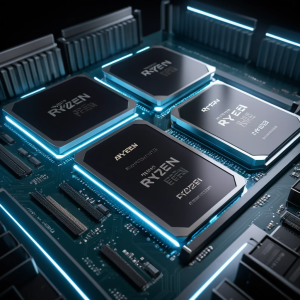
As a competitor to Intel, AMD aims to be innovative and affordable. AMD processes are significant in scalability and multi-threaded performance. It is ideal for supercomputers, servers, and gaming rigs. The product line of AMD are:
- Ryzen Series: Personal computer and laptop use, multitasking.
- EPYC Series: Built for enterprise infrastructure, high-density, reliable.
- Threadripper: Professionals working with machine learning, and video editing.
Desktops and Laptops Series of Ryzen:
The Ryzen series is AMD’s top-of-the-line lineup. Energy efficiency, large core counts, and compatibility with modern software applications make them great for:
- Gaming at very high resolutions.
- Streaming and video editing.
- Run engineering simulations and creative applications.
EPYC Series:
The EPYC series caters specifically to enterprise applications. It has.
- Scalability for cloud infrastructure and data centers.
- Superior performance for database systems such as SAP.
- High reliability for mission-critical communication as well as management.
Specialized Processors:
Specialized processors are used for specific purposes and are usually not used instead of general-purpose CPUs.
Microprocessors:
Microprocessors are microelectronic chips used by PCs, electronics, as well as industrial machinery. The processor performs arithmetic, processes interrupts, and powers general-purpose devices.
Microcontrollers:
Microcontrollers are embedded processors designed for a single task. They are used in avionics, IoT devices, and telephone systems to control peripherals and manage system resources.
Digital Signal Processors:
DSPs process real-time signals such as audio, image, and video data. Some of the common applications include:
- Smartphones for audio optimization.
- Cameras for image stabilization.
- Communication devices for improving signal quality.
Media Processors:
Media processors are optimized for tasks such as video encoding and image rendering. They play a significant role in smart TVs and streaming systems.
Why do Processors Matter?
Knowing how many types of processors exist can help decide on hardware to use. Be it a gaming PC, managing databases, or designing supercomputers, the right processor makes all the difference in optimizing efficiency and achieving the desired goal.
Conclusion:
Processors are the heart of computing nowadays and constitute everything from tiny smartphone processors to high-performance supercomputers. From Intel Core to AMD Ryzen, or other specialized categories such as microcontrollers, each has its place in defining technology.
For those who are looking to upgrade their system Used CPU Processors might be a good option. If you make the right selection, you can find processors that offer excellent performance at a more affordable price.
1. What is the difference between Intel and AMD processors?
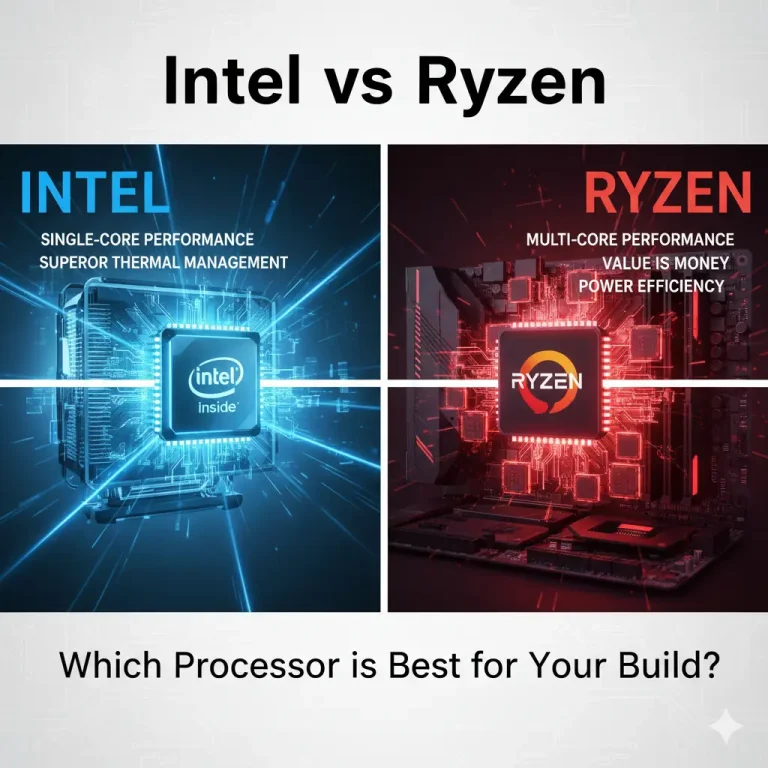
Two of the processor brands that lead this market are Intel and AMD. Intel processors are famous for providing strong single-core performance with higher energy efficiency.
2. What is a microcontroller?
A microcontroller is a small computer integrated into a single chip with the processor, memory, and input/output peripherals. It is mainly used in embedded systems for doing specific tasks like controlling appliances, robots, or other electronic devices.
3. What is a processor in a computer?
A processor or CPU is actually the brain of a computer because it carries out the instructions to run programs.