How To Diversifying Crypto Portfolio:
Cryptocurrency has emerged as one of the most exciting and dynamic asset classes of the 21st century. With its potential for high returns, it has attracted both seasoned investors and newcomers alike. However, the crypto market is also notoriously volatile, with prices capable of swinging dramatically in short periods. This volatility underscores the importance of Diversifying Crypto Portfolio—a strategy that can help investors manage risk while maximizing potential returns.
In this article, we’ll explore why it matters, and how you can implement it effectively. We’ll also address key points like diversified crypto portfolio examples, allocation strategies, and FAQs to help you build a robust investment plan
What Is Diversifying Crypto Portfolio?

Diversifying Crypto Portfolio is an investment strategy that involves spreading your capital across a variety of assets to reduce risk. In cryptocurrency, this means investing in multiple coins, tokens, and blockchain-based projects rather than putting all your funds into a single asset like Bitcoin or Ethereum. The goal is to minimize the impact of any one asset’s poor performance on your overall portfolio.
Why Is Important To Diversifying Crypto Portfolio?

The cryptocurrency market is highly volatile, with prices often influenced by factors like regulatory news, technological advancements, and market sentiment. A single negative event can cause a specific coin or token to plummet in value. By diversifying, you can mitigate the risk of significant losses and create a more stable investment portfolio. Additionally, diversification allows you to tap into the growth potential of various sectors within the crypto ecosystem.
Ways to Diversifying Crypto Portfolio:
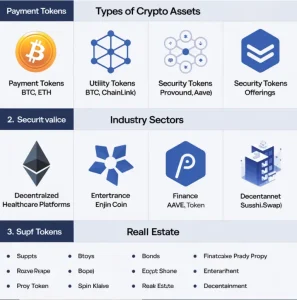
Cryptocurrencies come in various forms, each serving different purposes. Here are some types of crypto assets to consider:
- Payment Tokens: Bitcoin (BTC), Litecoin (LTC), and others designed for transactions.
- Utility Tokens: Ethereum (ETH), Binance Coin (BNB), and tokens used within specific platforms.
- Security Tokens: Represent ownership in real-world assets, like stocks or real estate.
- Governance Tokens: Used for voting on protocol changes, such as Uniswap (UNI) or Aave (AAVE).
- Gaming Tokens: Axie Infinity (AXS) and other tokens are tied to blockchain-based games.
- NFTs: Unique digital assets representing art, collectibles, or in-game items.
By holding a mix of these assets, you can spread your risk across different use cases and technologies.
Diversifying Portfolio In Various Industry:
Blockchain technology is being adopted across various industries. Investing in projects from different sectors can further diversify your portfolio:
- Healthcare: Projects like Medibloc (MED) focus on secure patient data management.
- Supply Chain: VeChain (VET) improves transparency in supply chains.
- Entertainment: Decentraland (MANA) and The Sandbox (SAND) are leading the metaverse space.
- Climate Change: Tokens like KLIMA aim to incentivize carbon reduction.
- Real Estate: Platforms like RealT tokenize property ownership.
For example, projects like Andromeda Crypto are pushing the boundaries of blockchain innovation, offering unique opportunities for diversification. Their detailed article explains more about Andromeda Crypto.
Diversify by Asset Class:
While cryptocurrencies are a unique asset class, consider diversifying beyond them. Traditional assets like stocks, bonds, and real estate can provide stability during crypto market downturns. For example, investing in blockchain-focused companies or ETFs can offer exposure to crypto without direct ownership.
Diversify by Investment Vehicle:
There are multiple ways to invest in cryptocurrencies, each with its advantages:
- Digital Wallets: Direct ownership of crypto assets.
- Taxable Brokerage Accounts: Platforms like Coinbase or Binance for trading.
- Cryptocurrency IRAs: Tax-advantaged accounts for long-term crypto investments.
- Decentralized Financial Products: Yield farming, staking, and liquidity pools in DeFi platforms.
Examples Of Diversifying Portfolio In Crypto:
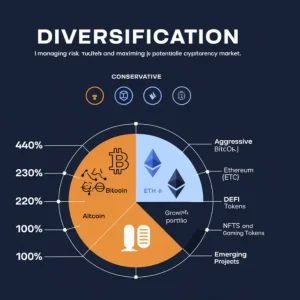
- Bitcoin (BTC): 40%
- Ethereum (ETH): 30%
- Altcoins (e.g., Cardano, Solana, Polkadot): 20%
- Stablecoins (e.g., USDT, USDC): 10%
- Example 2: Aggressive Growth Portfolio
Bitcoin (BTC): 20% - Ethereum (ETH): 20%
- DeFi Tokens (e.g., UNI, AAVE): 30%
- NFTs and Gaming Tokens (e.g., MANA, AXS): 20%
- Emerging Projects (e.g., Andromeda Crypto): 10%
For more insights into building a diversified portfolio, you can refer to resources like PDF or use a crypto portfolio allocation calculator to fine-tune your strategy.
Best Crypto Portfolio Allocation for 2025:
The ideal allocation depends on your risk tolerance and investment goals. Here’s a suggested breakdown for 2024:
- Bitcoin (BTC): 30-40%
- Ethereum (ETH): 20-30%
- Altcoins: 20-30%
- Stablecoins: 10-20%
Tools like a crypto portfolio tracker can help you monitor your holdings and rebalance as needed.
How to Diversify Crypto Portfolio Reddit Insights:
Reddit communities often emphasize the importance of research and risk management. Avoid overexposure to a single asset. Regularly rebalance your portfolio. Use tools like crypto portfolio trackers and allocation calculators. Stay updated on market trends and emerging projects like Andromeda Crypto.
FAQs:
1. How Do You Diversify a Crypto Portfolio?
1. Diversification involves spreading your investments across different types of crypto assets, industries, and investment vehicles. For example, you might allocate funds to Bitcoin, Ethereum, DeFi tokens, and NFTs.
2. Should You Diversify Crypto?
Yes, diversification helps manage risk and reduces the impact of volatility. It also allows you to explore growth opportunities in various sectors of the crypto market.
3. What Does Portfolio Diversity Mean in Crypto?
Portfolio diversity refers to holding a mix of assets that respond differently to market conditions. This reduces reliance on any single asset and enhances overall stability.
4. How Should I Split My Crypto Portfolio?
The ideal split depends on your risk tolerance. A common strategy is to allocate a larger percentage to established assets like Bitcoin and Ethereum, with smaller allocations to altcoins and emerging projects.